May 01 2008

A Cantar de Londres a Lisboa

Published by Lily under Events in Lisbon, In Portuguese

A press release in Portuguese for the Crouch End Choir who are performing this month in Lisbon…

Tournée de coro londrino de categoria mundial
Crouch End Festival Chorus
24 a 31 de Maio 2008
Em Maio deste ano, um dos coros de mais renome do Reino Unido, o Crouch End Festival Chorus, irá passar uma semana em Lisboa e arredores, realizando quatro concertos de música maravilhosa em Belém, na Estrela, em Fátima e em Sintra.

O coro goza de grande fama no Reino Unido, onde realiza regularmente concertos em prestigiadas salas de espectáculos londrinas, tais como The Festival Hall, The Royal Albert Hall e The Barbican.

O coro actuou recentemente com Teresa Salgueiro e já cantou e fez gravações com diversos artistas, incluindo o compositor Ennio Morricone, os maestros Valery Gergiev e Daniele Gatti e os cantores Lesley Garrett and Andrea Boccelli.

Além disso, o coro já efectuou numerosas gravações, que vão desde a música da popular série televisiva Dr. Who a múltipas bandas sonoras de filmes tais como Lord of the Rings e Saving Private Ryan.

Para mais informações sobre o coro e a sua visita a Portugal, consulte o site www.cefc.org.uk que contém indicações sobre a data e hora dos espectáculos, a fim de não perder as actuações deste excelente coro.

Contacto RP: Sally Hall, +44 (0)208 340 2212
 +44 (0) 7790 992797
sallyjaynehall@btinternet.com

Programa de concertos

Domingo 25 de Maio
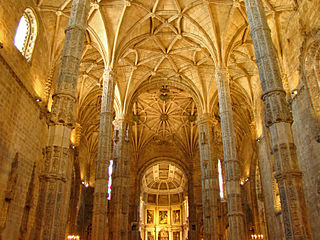
11h00 Capítulo do Mosteiro dos Jerónimos, Belém

Terça 27 de Maio
17h15 Basílica, Fátima (a seguir à missa das 16:30)

Quinta 29 de Maio
21h00 Basílica da Estrela, Lisboa

Sexta 30 de Maio
21h30 The Church of São Martinho, Sintra

Música
O repertório será retirado de entre as seguintes peças:

Faure    Cantique de Jean Racine
Philip Glass   Three Songs
Durufle    Motets
Durufle    Requiem + Kyrie

E AÍNDA

Tippett    5 Spirituals from A Child of Our Time Stanford    Beati quorum Via

Popularity: 21% [?]

No responses yet

Apr 12 2008

Rossio Square

azulejos33.jpg

Rossio Square (Praça Rossio) lies at the heart of Lisbon and is often one of the first places tourists arrive at when visiting the city. The site has been an important place in Lisbon’s history for many centuries and carries many stories within it’s space. With it’s distinctive traditional Portuguese paving (calçada Portuguesa), fountains and statues, Rossio really does make you feel like you have arrived in Lisbon.

I recommend taking a wander to Rossio in the early morning - as early as possible. Being seated at the heart of the city, during the day it is full of hustle and bustle as locals cross during their lunch hour and tourists stop to take photo’s or sit outside one of the numerous cafe’s. Walking across the square in the early morning, you can fully appreciate the giant mosaic patterns that sweep across the ground and you have time to take in all the different buildings and features that line the square.

rossio2.jpg

Perhaps the most obvious feature is the huge 27 metre column topped by the statue dedicated to Dom Pedro IV. Dom Pedro was King of Portugal for a short time but is perhaps more famous for leaving Portugal to rule in Brazil. The column was erected in 1874. Apparently the official name of the square is Praça de D. Pedro IV, however it seems that this is rarely, if ever used. At the seat of the monument are four marble representations of Justice, Wisdom, Strength, and Moderation - qualities that Dom Pedro admired.

There are two beautiful baroque fountains situated at each end of the square and it is worth taking some time to really absorb the details that have been lavished upon the making of the bronze statues. In the grand surroundings of Rossio square, the fountains bring life and movement to an otherwise imposing area.

In the past, the All Saints Royal Hospital occupied the whole of the Eastern side of the square but this was razed to the ground in the 1755 earthquake. When the Marquês de Pombal famously instructed the rebuilding of Lisbon, The São Domingo Church found itself seperated from Rossio Square where once it had been a part of it. As well as being seriously damaged by the earthquake, São Domingo church was also almost burnt to the ground by a fire. Walking into the Church you can see a distinct difference in the architecture of the upper part of the building. I am never at my most comfortable in churches I have to say and, whilst lovely to look at, this particular church seemed to exude a restless feeling; as though the wrongs that had happened there still lived in the walls.

rossio.jpg

The glorious National Theatre (Teatro Nacional D. Maria II) sits at the top end of the square and is a centrepoint for culture. It is by far my favourite building on Rossio. Constructed within the building are the Muses, Apollo and busts of Portuguese poets. The classical design uses 6 columns from the Church of St. Francis which was destroyed in the earthquake and is topped with a statue of the famous Portuguese playwright Gil Vincent. Aside from the theatre housing wonderful plays and other events, personally I am drawn to it because of the original reason it was built. The building that preceded the theatre was the Palace of Estaus - the seat of the Portuguese Inquisition. Ironically destroyed by fire in 1836, it was decided that something should replace the horror that had once been there and heal the wounds of the past. What better than a theatre to delight the people and reveal the wonders of creativity.

There are other smaller wonders to feast your senses on in Rossio square. There is a the scent of chestnuts roasting from the street seller and the call of the lottery man or woman. There is the gentle archway of Bandeira (Arco da Bandeira) that leads into the quieter Sapateiros Street and the art deco of Café Nicola. Everywhere you look in this square is history and history in the making. Lovers and friends meet here. Journeys begin and end here.

Popularity: 54% [?]

No responses yet

Next »

Close
E-mail It